

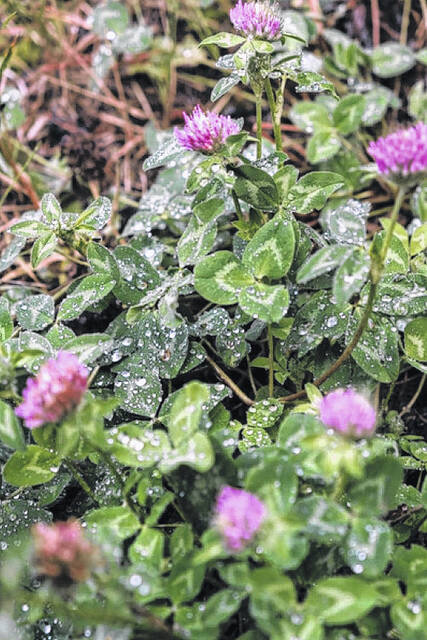
A big part of pasture management is planning and planning for frost seeding is no exception. Even though the best time to do it is in late winter or early spring, now is the time to start getting a plan together. Frost seeding is a method of broadcasting seed on top of undisturbed ground and allowing a freezing and thawing action to work the seed into the soil to where they can germinate. This method is a good tool for farmers who may not have a lot of equipment or are interested in saving time and costs with a passive planting method. This method could be very useful during wet periods when heavy machinery would damage pastures.
Selecting a forage species that will be successful is the most important part. Not all species respond well to frost seeding. For example, it is typically less successful and generally not recommended to use this method for grass seeds, but red and white clover tend to do very well.
Introducing clover to an existing stand of grasses will not only increase biodiversity, but nitrogen-fixing legumes will reduce the amount of nitrogen needed and can improve stand quality. Biological nitrogen fixation is a unique process that allows legumes to obtain nitrogen from the air, making them valuable to a forage program. The nitrogen they produce can be used for their own growth, nearby grasses, and subsequent crops.
Even though frost seeding is a relatively low input method, basic seedings and management should be followed for a successful stand. As always, seed-to-soil contact is critical. In the fall, to reduce the residual vegetation, graze tightly the pastures that you plan to frost seed during the final graze. This will reduce thatch on the surface and expose more soil.
The best time to frost-seed red and white closer is February 1st-5th. Red clover should be seeded at a rate of 3 – 4 pounds each year or 6 – 8 pounds every other year. White clover can be seeded at 1 – 2 pounds and lasts much longer than red, annual reseeding isn’t necessary once it becomes established.
Come spring, weed pressure will be a concern. You will need a weed management plan to allow seedlings to establish. Be sure the read herbicide labels and follow recommended waiting periods before seeding clovers.
Hold off grazing until the pasture is 8 inches tall. Graze it down to an average of 4 inches of stubble. Let it go back up to 8 inches before grazing again to a height of 4 inches. Repeat this process throughout the grazing season.
Kinsey Everhart is the Agriculture Livestock and Row Crops Agent for the Anson County Cooperative Extension.